VIP Event Transportation Planning That Holds Up
A VIP event rarely falls apart because of one obvious mistake. More often, it unravels in the gaps: a keynote speaker lands at a different terminal, a hotel entrance is blocked, an SUV is assigned to a group with too much luggage, or guests leave in waves rather than at the time printed on the itinerary. Effective VIP event transportation planning closes those gaps before they become visible to the people you are hosting.
For executive meetings, weddings, private dinners, conferences, sporting events, and nightlife itineraries, transportation is not simply a vehicle reservation. It is a live operational plan with people, access points, timing windows, luggage, security considerations, and contingency decisions. The standard should be simple: every guest knows where to go, every chauffeur knows what to do, and the event team is not spending the evening chasing cars.
Start VIP Event Transportation Planning With the Movement Map
Before selecting vehicles, define how people will actually move. A guest count alone does not tell the full story. A group of 30 attendees arriving on three commercial flights has different needs than 30 guests leaving one hotel for a dinner reservation. Likewise, a board delegation may need separate vehicles for privacy, while a wedding party may prioritize traveling together.
Build the plan around each transfer segment: airport or FBO arrivals, hotel transfers, venue arrivals, inter-venue movements, and departures. For each segment, identify the pickup and drop-off location, requested arrival time, passenger count, luggage profile, and whether anyone requires a child seat, mobility accommodation, or discreet handling.
This is also the point to distinguish between fixed and flexible movements. A conference shuttle leaving at 8:00 a.m. can operate on a firm schedule. A VIP dinner exit may require vehicles staged for a 30-minute window because speeches, security, or guest conversations can change the release time. Treating both movements the same creates either unnecessary waiting or a preventable delay.
In South Florida, address-level planning matters. A venue may have a formal front entrance, a preferred loading area, a private drive, or a back-of-house access point that works better for larger vehicles. Hotels and major event properties can also restrict curb access during peak arrival periods. Confirming the correct approach in advance protects the guest experience and keeps the convoy from competing with valet, rideshare, and service traffic.
Choose Vehicles by Use Case, Not Appearance
A premium transportation plan should look polished, but operational fit comes first. An executive sedan is ideal for one or two travelers with light luggage. A luxury SUV gives small groups more room and is often the better choice for airport arrivals. Mercedes Sprinter vans work well for teams, wedding parties, and coordinated guest groups, while motorcoaches become practical when a larger audience needs scheduled movement.
The trade-off is not just passenger capacity. It is comfort, luggage space, curb access, and the amount of coordination required. Filling every available seat may lower the vehicle count, but it can make airport pickups uncomfortable or slow boarding at a venue. For high-value guests, leaving room for luggage and personal space is often the better decision.
Keep VIPs and General Guests on Separate Tracks
Not every attendee needs the same service level. A strong plan can run executive black car service for principals, speakers, and private aviation guests while using Sprinters or motorcoaches for staff and larger attendee groups. This keeps the operation efficient without compromising the experience of key travelers.
Separate tracks also protect privacy. Senior leaders may need quiet travel time between meetings. Talent, family members, or hosts may need direct service with minimal waiting. Group guests may simply need clear departure windows and an easy-to-find vehicle. Matching the service model to the person is more effective than applying one transport format to everyone.
Build Timing Around Reality, Not the Printed Schedule
An event agenda gives you a starting point, not a transportation schedule. Add realistic time for deplaning, baggage claim, airport congestion, hotel elevators, credential checks, venue security, and boarding. The most polished arrivals are usually the ones that appear effortless because the waiting time was planned in the right place.
For commercial air arrivals, flight tracking should drive dispatch decisions. A chauffeur assigned to an MIA, Fort Lauderdale-Hollywood, or Palm Beach International pickup needs current flight status, terminal details, and a clear meet-and-greet instruction. If the guest has checked luggage, the pickup timing should reflect that. If they are traveling with only a carry-on, the chauffeur may need to be positioned sooner.
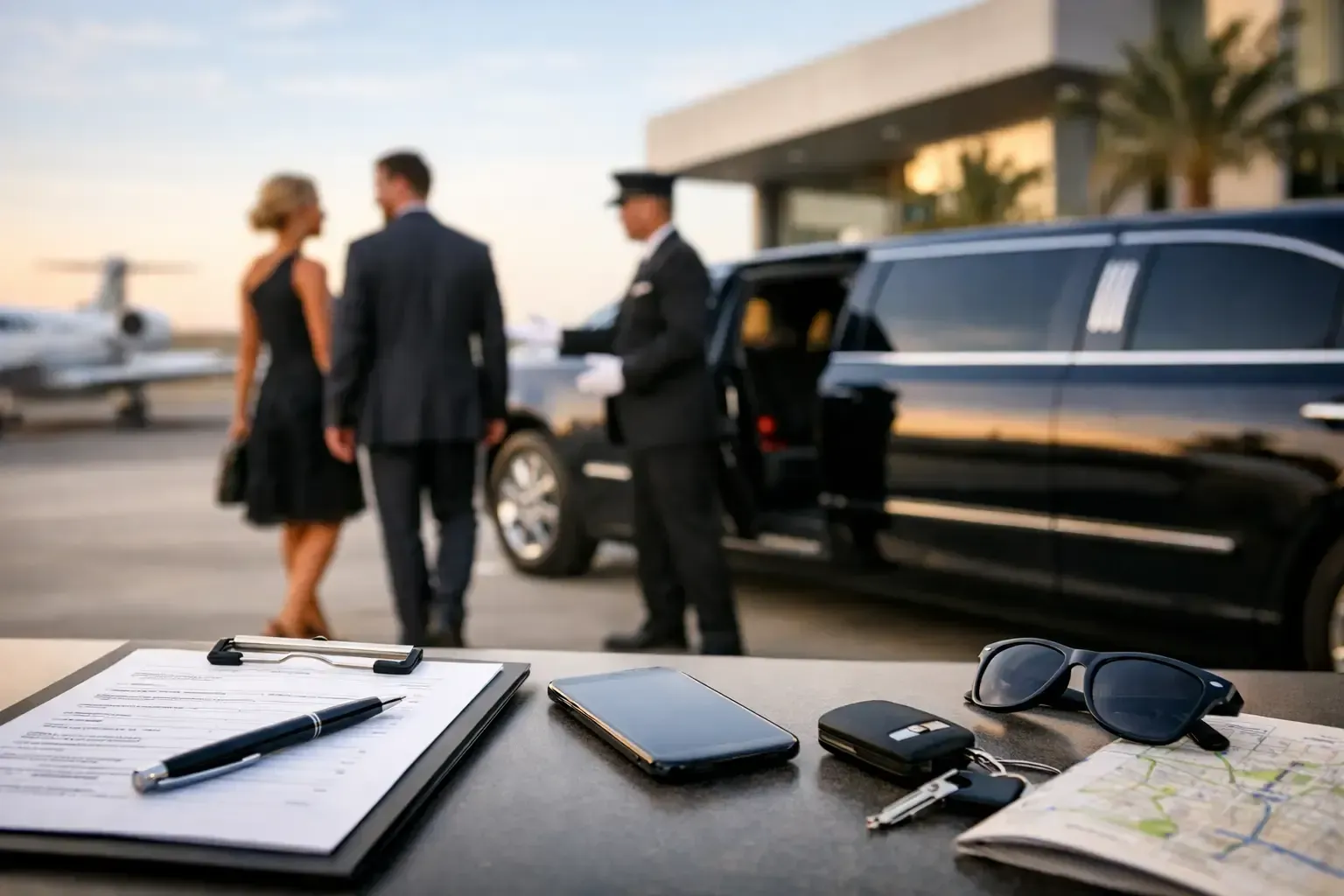
Private aviation requires a different workflow. FBO coordination should verify the aircraft tail number, expected arrival time, passenger count, and the preferred handoff point. Aircraft can arrive ahead of schedule, remain on the ramp longer than expected, or change facilities. A transportation partner that treats an FBO pickup like a standard airport curbside pickup will create unnecessary friction.
For venue departures, plan backward from the hard deadline. If guests must be seated by 7:00 p.m., determine when vehicles need to arrive at the hotel, when passengers should be ready, and how much time the route requires under likely traffic conditions. Then include a buffer that is appropriate to the importance of the moment. A board dinner and a casual group outing should not carry the same tolerance for delay.
Use a Run of Show That the Transportation Team Can Execute
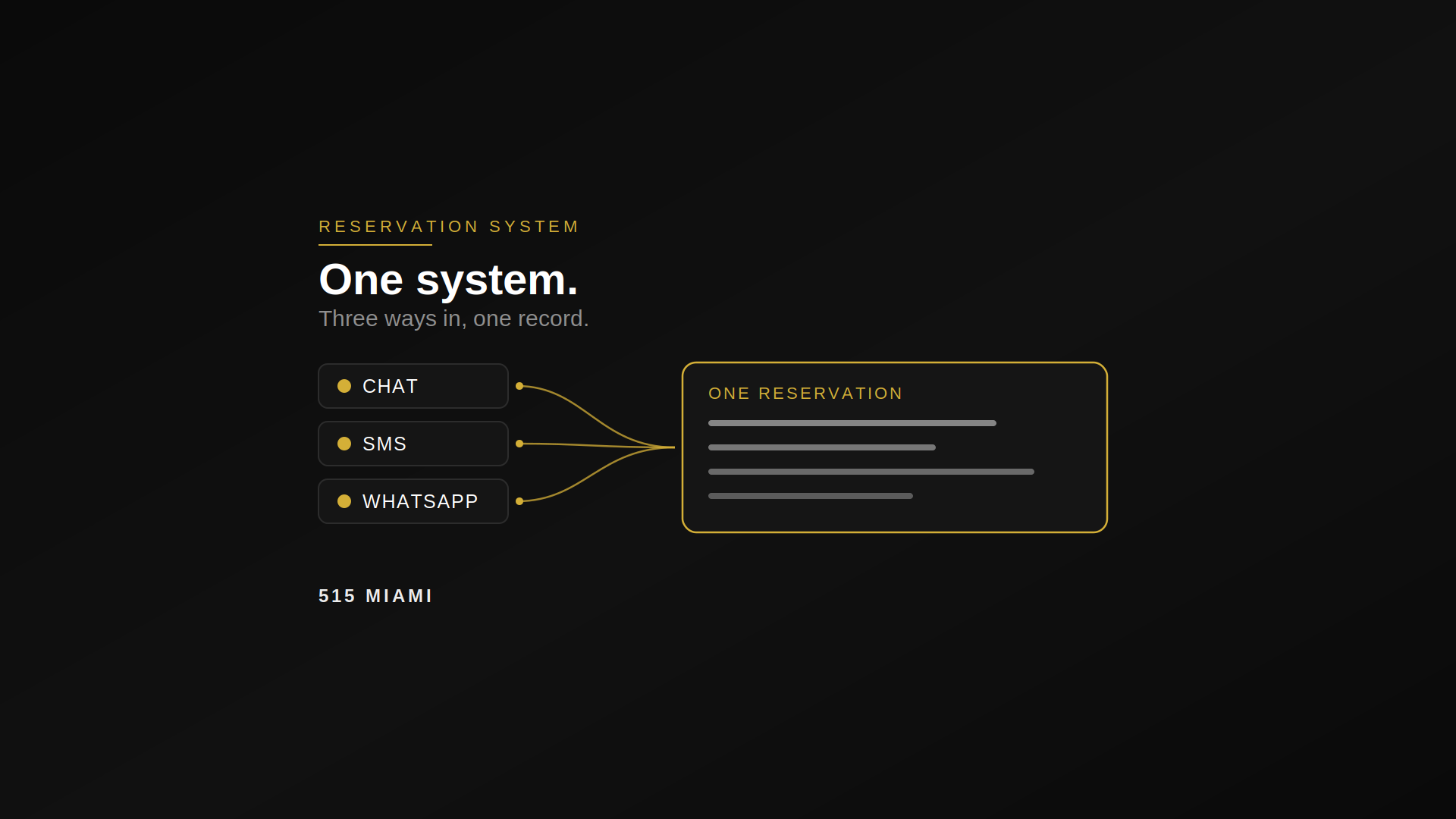
A detailed transportation run of show converts assumptions into assignments. It should identify the lead contact, passenger or group name, vehicle type, chauffeur assignment, pickup location, scheduled time, destination, and special instructions. For complex events, it should also note alternate contact numbers, security requirements, flight details, luggage volume, and release procedures.
The document must be current and controlled. If an assistant changes a principal's flight, a wedding planner moves the photo location, or a venue changes its loading zone, the transportation provider needs the update immediately. A spreadsheet that is accurate at noon but ignored after that is not an operating plan.
Communication should have a clear chain. Event planners should know who can authorize changes. Chauffeurs should know whether to contact the transportation coordinator, the on-site lead, or the passenger directly. Guests should receive concise instructions without being burdened by dispatch details. This is where concierge-level service matters: the operation stays active in the background while guests receive simple, confident direction.
Plan for Disruption Before It Happens
Traffic incidents, weather, delayed flights, late programs, and last-minute additions are normal variables, especially during major South Florida events. The question is not whether something will change. It is whether the transport plan has enough capacity and authority to respond without confusion.
Start with practical contingencies. Keep a reasonable buffer around critical arrivals. Confirm alternate venue access points. Decide whether a backup vehicle is warranted for high-priority movements. For large groups, consider whether the return should be staggered rather than relying on one exact departure. When a program ends unexpectedly early, staged vehicles may be more valuable than vehicles dispatched only after a call is made.
There is a cost to overplanning, and not every event needs a reserve fleet or full-time on-site coordinator. It depends on guest profile, schedule sensitivity, venue complexity, and the consequence of a missed movement. A small executive dinner may need only precise reservations and monitored arrivals. A convention, wedding, or multi-stop VIP itinerary may justify dedicated dispatch oversight throughout the program.
What Premium Transportation Should Feel Like
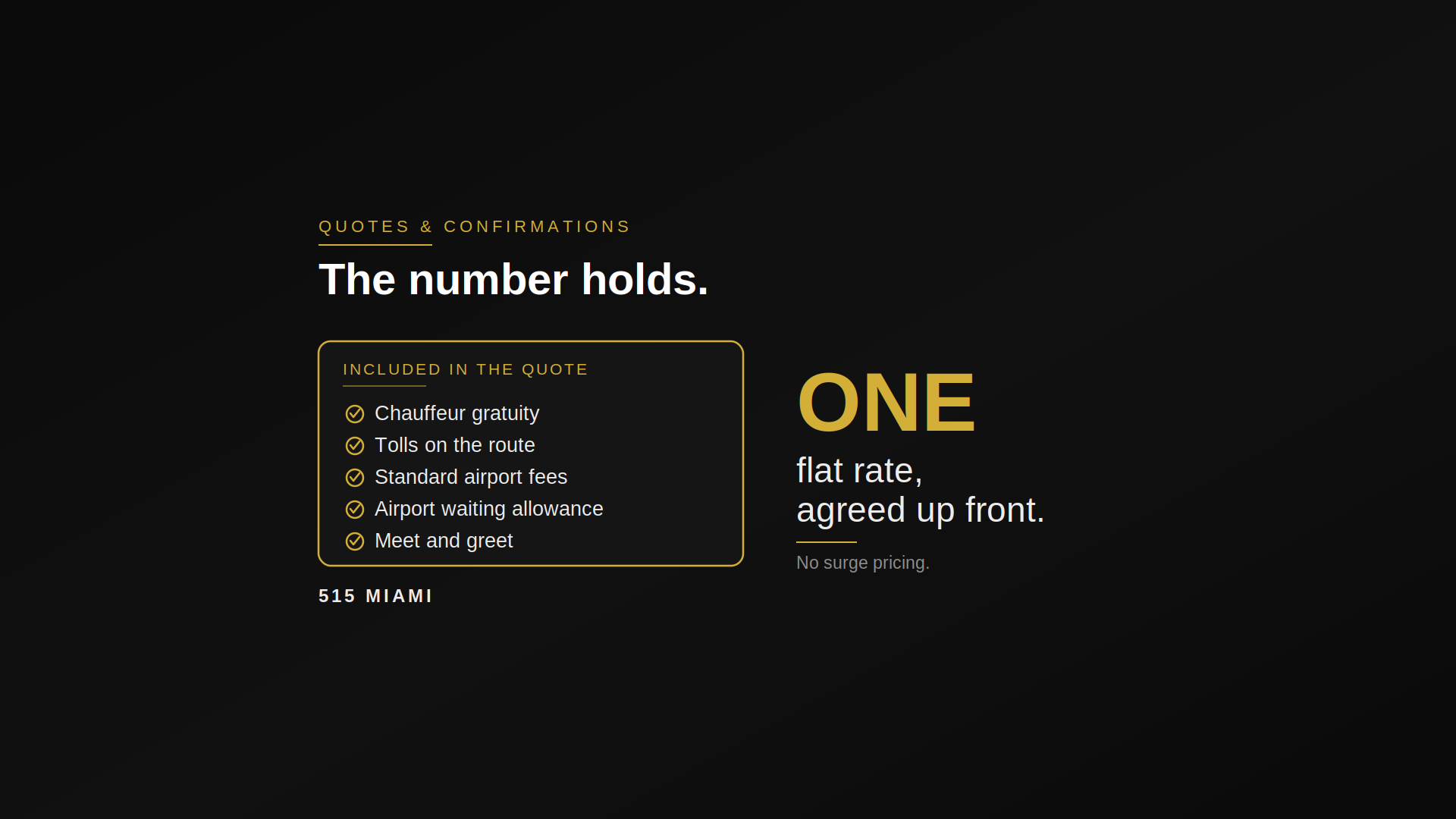
Luxury is not measured only by the vehicle at the curb. It is the confidence that the chauffeur has the correct guest, the route has been considered, the vehicle is properly matched to the trip, and someone is monitoring the details when plans shift. Licensed, insured chauffeurs, maintained vehicles, and direct operational control are not background features. They are the foundation of dependable service.
For clients working with 515 MIAMI, that foundation can extend from individual airport meet-and-greets to coordinated Sprinter and motorcoach logistics under one transportation standard. The objective remains the same: a calm, discreet experience for guests and a transportation plan that gives organizers control without adding another task to their event day.
The best event transportation is often the part guests barely discuss afterward. They remember arriving composed, leaving when they were ready, and never having to wonder where their ride was. That is the right outcome to plan for.
Need a chauffeur in South Florida?
Airport transfers, corporate travel, cruise ports, and events — with flight tracking and chauffeurs who arrive early. Available 24/7 across Miami, Fort Lauderdale, and Palm Beach.