Hurricane Season Travel in Miami: How Ground Transport Handles Delays and Cancellations
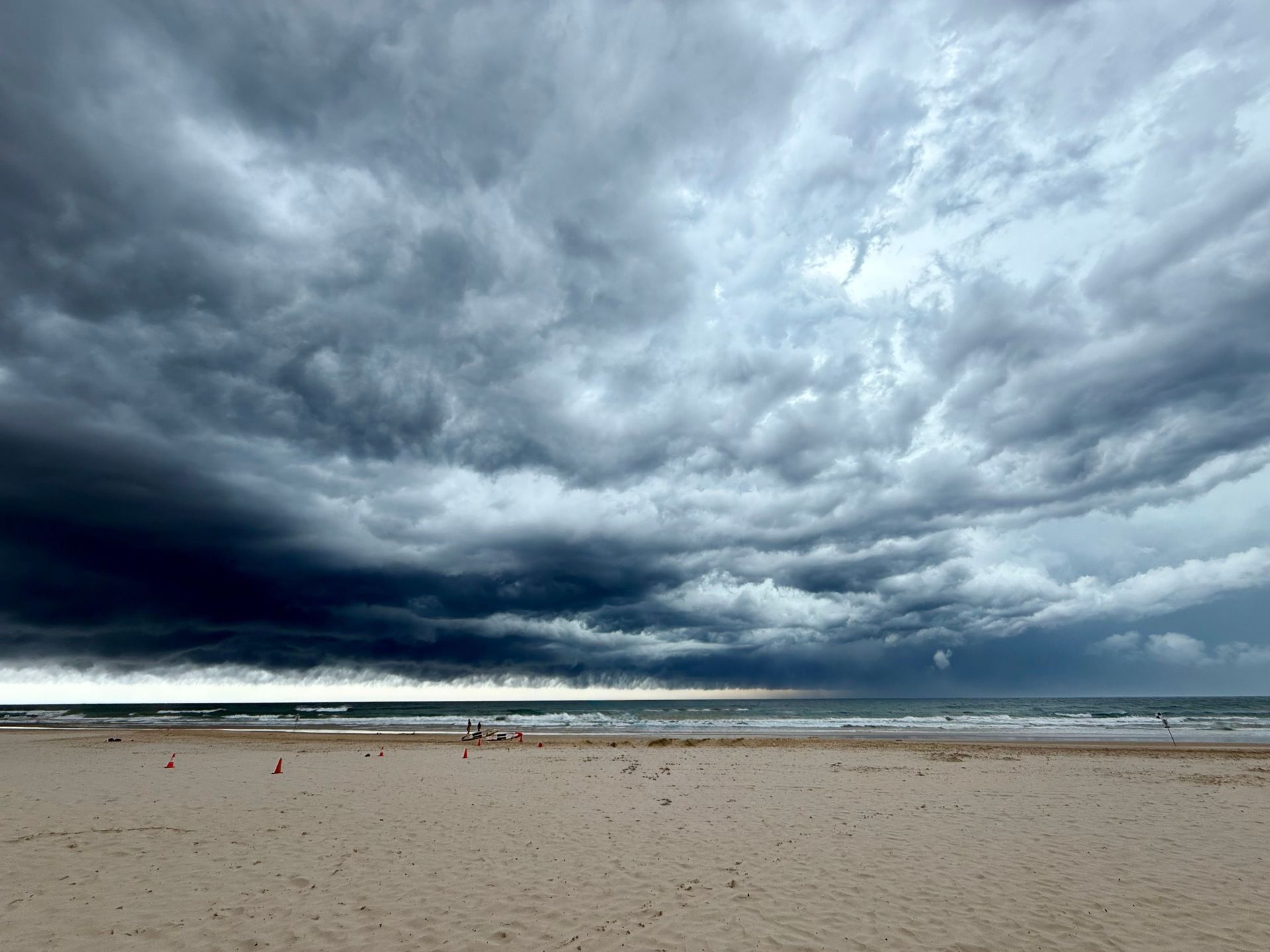
The bridges lock eight hours before the wind arrives. Plan to that, not to landfall.
Hurricane season is not a driving problem. By the time it is a driving problem, the decisions that mattered were made three days earlier.
That is the single most useful thing to understand about travelling to or from Miami between June and November. The storm is not what disrupts your trip. What disrupts your trip is a cascade of closures, cancellations and lockdowns that begins while the sky is still blue, follows a fairly predictable order, and finishes well before the first serious gust.
This is how that cascade actually runs, what ground transportation can and cannot do inside it, and where the real decision points sit.
The season, and why the seasonal forecast will not help you
The Atlantic hurricane season runs June 1 to November 30. For 2026, NOAA's May outlook called for a below-normal season: 8 to 14 named storms, 3 to 6 hurricanes, and 1 to 3 major hurricanes, with El Niño conditions expected to suppress formation.
Here is the part people get wrong. A below-normal seasonal forecast tells you nothing whatsoever about your trip. Seasonal outlooks describe basin-wide activity across six months. You are exposed to a single week, in a single place. One storm on the wrong track ruins that week regardless of whether the season's total lands above or below average, and a quiet season with one Florida landfall is, from your point of view, a bad season.
Plan against the possibility, not the average. The practical version of that is not pessimism — it is buying the refundable option and keeping an eye on the forecast from about five days out.
The timeline that actually matters
Disruption in South Florida is not a switch. It is a sequence, and knowing the order is worth more than knowing the forecast.
Five to three days out. The forecast cone starts to mean something. Airlines begin issuing travel waivers — ahead of Hurricane Milton in October 2024, Delta issued its waiver roughly three days before landfall, allowing changes and cancellations with the fare difference waived. This is the window where you still have choices and they are still cheap.
Two days out. Cancellations begin in volume. Hotels start filling with people who moved their plans up. Fuel demand spikes and stations along the main routes begin running dry.
Eight hours before tropical-storm-force winds. Miami-Dade begins securing all drawbridges. Once locked down they stay locked through the event and until they can be inspected for damage. If you are on a barrier island, a key, or anywhere across a drawbridge from where you need to be, this is your real deadline — not landfall.
Three hours before those winds. Miami-Dade Transit ceases operations across Metrobus, Metrorail, Metromover and STS. Public transportation is gone.
Landfall. Nothing is moving, and nothing should be.
Read that sequence again and notice where the useful window sits. It closes at the eight-hour mark, and eight hours before tropical-storm-force winds is often the day before the storm is a headline.
Ground transportation stops too, and it should
It would be dishonest for a car service to imply otherwise, so let us be direct about it.
Miami-Dade's own guidance strongly discourages driving in hurricane conditions, and the county notes that conditions deteriorate rapidly — lightning, heavy rain and flying debris arrive well before sustained 39 mph winds. A vehicle does not change that. Standing water hides road damage, downed lines are invisible at night, and a chauffeur on a flooded street is in the same trouble as anyone else.
A professional operator's job during that period is not heroics. It is to move you early, tell you plainly when a window is closing, and stop when stopping is correct. Any operator who promises to run through a storm is telling you something about their judgment that you should take seriously.
If an evacuation order covers you, leave. No transportation arrangement, booking or deposit is worth weighing against that.
Know your zone before you need it
Miami-Dade evacuates by storm surge planning zone, not by neighbourhood and not by the storm's category alone. The zones run A through E: Zone A is the most exposed and is threatened by a Category 1 or higher, with each subsequent zone tied to progressively stronger storms. Orders are issued zone by zone based on the projected track and expected surge.
The county's point about this is worth repeating: storm surge is the greatest threat to life and property from a hurricane, and the zones follow water rather than distance from the beach — they extend along bays, rivers and canals, and reach further inland than most people assume.
Two groups are told to go whenever any evacuation order is issued regardless of zone: mobile home residents, and anyone dependent on electrically powered life-sustaining medical equipment.
Look up the address you are staying at on Miami-Dade's Know Your Zone tool when you book, not when the cone appears. It takes a minute and it changes what "we should probably leave" means.
The airport is not a plan
The most common hurricane-season mistake is treating the airport as a refuge or a fallback. It is neither.
Airports do not simply "close." Airlines cancel first, in waves, starting with regional and Caribbean routes; ground handling winds down; and the FAA closes control towers once winds reach thresholds set for each facility. By the time a South Florida airport is formally shut, most flights have already been cancelled for a day.
Critically, terminals are not hurricane shelters and are not stocked as such. Being at the airport when a storm arrives is worse than being almost anywhere else with a roof, and "we will just go to the airport and see" is the plan that strands people.
The corollary for ground transport: a pickup booked against a flight that no longer exists is not a transport problem, it is an information problem. This is the same principle behind flight tracking in ordinary weather, just with much larger stakes — the booking has to follow the flight, and during a storm week the flight may simply stop existing.
The waiver window is your decision point
When an airline issues a hurricane travel waiver, it is handing you a free option, and options decay.
Waivers typically let you change or cancel without the usual penalties, and in Milton's case Delta also waived fare differences and capped fares on new bookings. The terms vary by carrier and by storm, so read the actual notice rather than assuming.
The mistake is waiting. People sit on a waiver hoping the track shifts, and by the time they act the reasonable alternative flights are full of everyone who moved on day one. If a waiver has been issued for your dates and your trip is flexible, move it immediately. If it is not flexible, at least decide consciously rather than by delay.
Whatever you decide about the flight, tell your ground operator the same day. A car booked for a flight you have already moved is the easiest problem in this entire article to avoid.
If you are leaving early
Moving up a departure is usually the right call and it is almost always underestimated logistically.
Fuel goes first. Miami-Dade's advice is to fill up early, precisely because stations along the evacuation routes run dry once demand spikes. This applies as much to a chauffeured vehicle as a private one, which is why a serious operator fuels before a storm week rather than during it.
Traffic is directional and it is worse than you think. Everyone leaves at once, on the same few roads, going the same way. Departure timing matters more than route selection.
Inland is not the same as north. Depending on the track, a drive up the coast can follow the storm rather than escape it. Orlando is a common inland relocation, and if that is where you are heading, our Miami to Orlando guidance covers the corridor in normal conditions — add substantial buffer in storm conditions.
Book the vehicle when you book the room. In a genuine evacuation, availability disappears in hours, not days.
If you are staying
Plenty of trips carry on. If you are staying through a storm week that does not become an evacuation, arrange the boring things while they are still arrangeable.
Confirm what your hotel does during a storm — many South Florida properties have well-rehearsed procedures and will tell you plainly. Get any essential movement done before the eight-hour bridge deadline rather than after. Assume public transit is unavailable from the three-hour mark. And put a phone number on file that works when power does not.
Then stop moving. The window after a storm passes and before roads are cleared is the one that produces avoidable injuries.
Afterwards, the reopening is not instant
The tail is longer than most travellers plan for, and this is where trips get extended by days rather than hours.
Drawbridges stay locked until inspected. Roads need debris clearance and signals need power. Airports reopen on their own schedule, and reopening does not mean a normal schedule — carriers reposition aircraft and crews for days, and the first flights out are full of people who were already waiting.
Practically: do not book a tight connection for the day after a storm, and expect your first realistic departure to be later than the airport's reopening announcement suggests.
What to ask any operator in season
Four questions separate an operator with a storm process from one without.
What happens to my booking if my flight is cancelled for weather? This is a policy question, and you want the answer in writing before the season, not during it. Our general terms are on the cancellation policy page; confirm how weather cancellations are handled when you book.
At what point do you stop operating? A good answer references wind thresholds and official guidance. A bad answer is "we always run."
Who tells whom, and how? Storm weeks are won on communication. Establish who is calling whom, and on what number.
Will you move me early if the forecast turns? The most valuable thing a ground operator does in hurricane season is get you out a day sooner than you would have gone on your own.
For arrivals and departures in season generally, our airport transfers page covers how bookings are tracked against flights.
Common questions
When is hurricane season in Miami?
June 1 through November 30, with activity concentrated in the late-summer and autumn months. For 2026 NOAA forecast a below-normal season of 8 to 14 named storms, 3 to 6 hurricanes and 1 to 3 major hurricanes — but a seasonal outlook says nothing about any particular week, so plan your own trip against the possibility rather than the average.
When do bridges close in Miami during a hurricane?
Miami-Dade begins securing all drawbridges eight hours before tropical-storm-force winds of 39 mph are expected, and they stay locked through the event until they can be inspected. If your trip crosses a drawbridge, that eight-hour mark is your real deadline, not landfall.
Does public transport run during a hurricane in Miami?
No. Miami-Dade Transit ceases operations across Metrobus, Metrorail, Metromover and STS no less than three hours before sustained 39 mph winds are expected to arrive, and does not resume until it is safe and systems are checked.
Can I still get a car service during a hurricane?
Before a storm, yes, and moving early is exactly when a car service is most useful. During one, no — and you should be wary of any operator who says otherwise. Miami-Dade explicitly discourages driving in hurricane conditions, and hazards including flooding, debris and downed lines arrive well before the wind does.
What happens to my airport transfer if my flight is cancelled for a storm?
Tell your operator as soon as you know, ideally the same day the airline issues a waiver. Terms vary between operators, so confirm how weather cancellations are handled at the time of booking rather than assuming.
Should I go to the airport if a hurricane is coming?
Only to catch a flight that is genuinely still operating. Terminals are not hurricane shelters and are not stocked as such, and airlines usually cancel in waves well before an airport formally closes. Waiting at the airport to see what happens is how people end up stranded in the worst possible place.
How do Miami evacuation orders work?
Miami-Dade evacuates by storm surge planning zone, A through E, based on the projected track and expected surge rather than the storm's category alone. Zone A is most exposed. Mobile home residents and anyone relying on electrically powered life-sustaining medical equipment should evacuate whenever any order is issued, regardless of zone. Check your address on the county's Know Your Zone tool in advance.
Sources
- NOAA, 2026 Atlantic hurricane season outlook issued May 2026 (below-normal season; 8–14 named storms, 3–6 hurricanes, 1–3 major hurricanes)
- National Hurricane Center, Atlantic Tropical Weather Outlook (season dates and current conditions, accessed August 2026)
- Miami-Dade County Department of Transportation and Public Works, hurricane season safety guidance (drawbridges secured 8 hours before 39 mph tropical-storm-force winds; transit ceases no less than 3 hours before; fuel and driving guidance)
- Miami-Dade County Office of Emergency Management, Storm Surge Planning Zones (Zones A–E; evacuation by zone and projected surge; mobile home and medical-equipment guidance)
- Delta News Hub, travel waiver and fare actions ahead of Hurricane Milton, October 2024 (waiver issued approximately three days before landfall; fare differences waived)
This article is general planning information, not emergency guidance. During an active storm, follow the National Hurricane Center, Miami-Dade Office of Emergency Management and local officials — their instructions supersede anything here and any travel arrangement you have made. Thresholds, procedures and airline policies change; confirm current details with each authority and operator.
Need a chauffeur in South Florida?
Airport transfers, corporate travel, cruise ports, and events — with flight tracking and chauffeurs who arrive early. Available 24/7 across Miami, Fort Lauderdale, and Palm Beach.